Category: Guides

  • Keep the evaluation trail when you use AI in a procurement

    Keep the evaluation trail when you use AI in a procurement

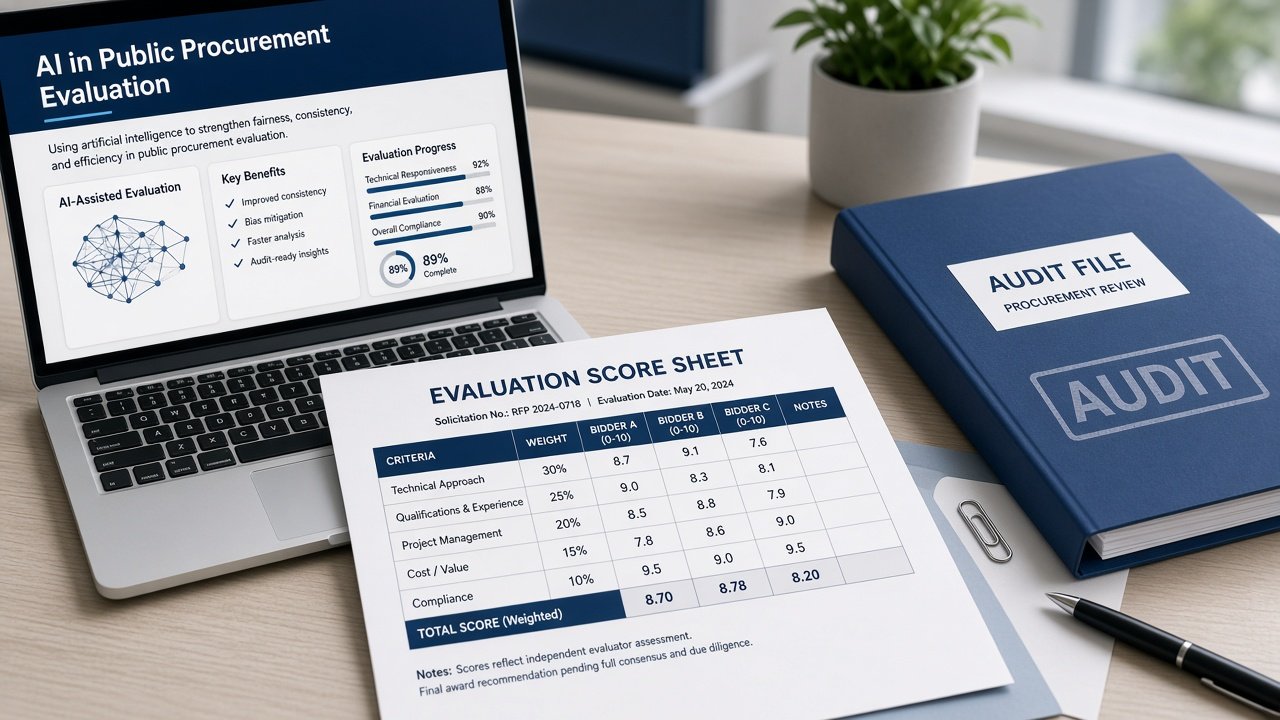
    Laptop, evaluation score sheet and audit file on a desk

    AI can speed drafting and sorting in a live competition. It must not invent scores, hide why a bidder won, or weaken the audit trail you will need if someone challenges the award.

    Use tools on the work you already control: checking consistency in a long specification, clustering clarification questions, or spotting gaps before publication. Keep humans on requirements, evaluation judgments, and the record of why a score was given.

    If a tool cannot show its working in a way your audit team accepts, do not put it in the evaluation path. Start with the process you must defend, then see where a tool saves time without taking the decision away from you.
    Book a 30-minute call about procurement services.

  • Start with the commercial problem, not the tender document

    Start with the commercial problem, not the tender document

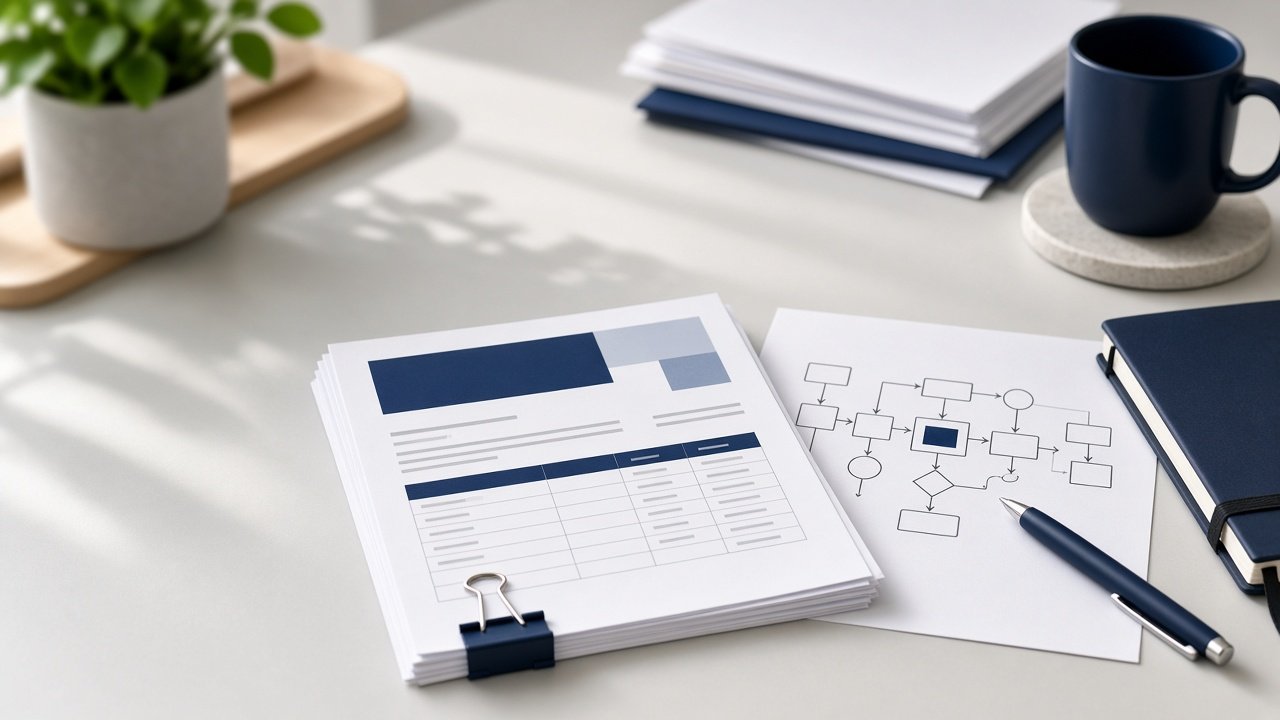
    Desk with tender documents and a commercial flowchart sketch

    A tidy tender that answers the wrong question still fails. Before you draft the specification, name the commercial problem in plain language: what outcome you need, what constraint you cannot move, and what a bad award would cost you later.

    Write that problem down where the evaluation team can see it. Then design the competition around it — requirements, questions, and scoring that test the same thing. Tools and templates help after that step, not instead of it.

    If you are stuck between two shapes of competition, book a short call and walk the problem for thirty minutes. The document usually gets easier once the problem is clear.

    Book a 30-minute call about the commercial problem.